
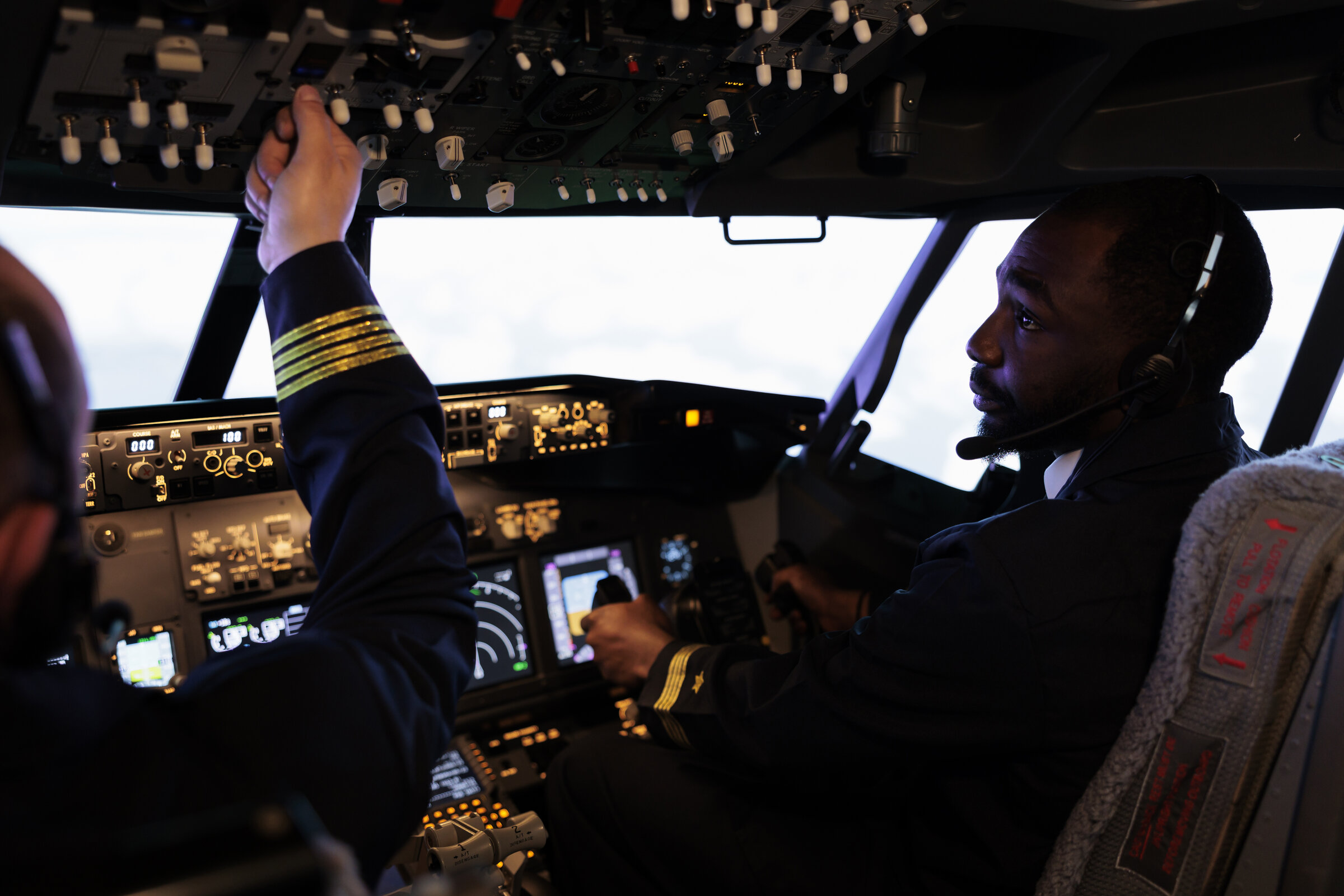
WHAT IS AVIATION SUSTAINABILITY
True sustainability is achieved when multiple areas work in harmony.
Protecting people, the environment, and the industry.
Definition
Aviation sustainability is about ensuring that the aviation industry continues to grow, operate safely, and remain effective for future generations without negatively affecting people, the environment, or the industry itself.
True sustainability in aviation is achieved when multiple areas work together in harmony.
Environmental Sustainability
Reducing aviation's impact on the environment through cleaner fuels, efficient aircraft, and responsible operations that minimise carbon emissions, noise pollution, and fuel consumption.
- Sustainable Aviation Fuel (SAF)
- Fuel-efficient aircraft
- Electric and hybrid aircraft research
- Airport recycling and waste management
Economic Sustainability
Ensuring airlines, airports, maintenance organisations, and aviation businesses remain financially healthy and capable of long-term operation, protecting jobs and safety standards.
- Efficient fuel management
- Revenue diversification
- Smart maintenance planning
- Investment in long-term infrastructure
Social / Human Sustainability
The wellbeing, performance, and safety of people within aviation. Human beings are the foundation of aviation operations — when people are supported, safety and performance follow.
- Mental health and wellness
- Fatigue management
- Psychological safety
- Professional development and inclusion
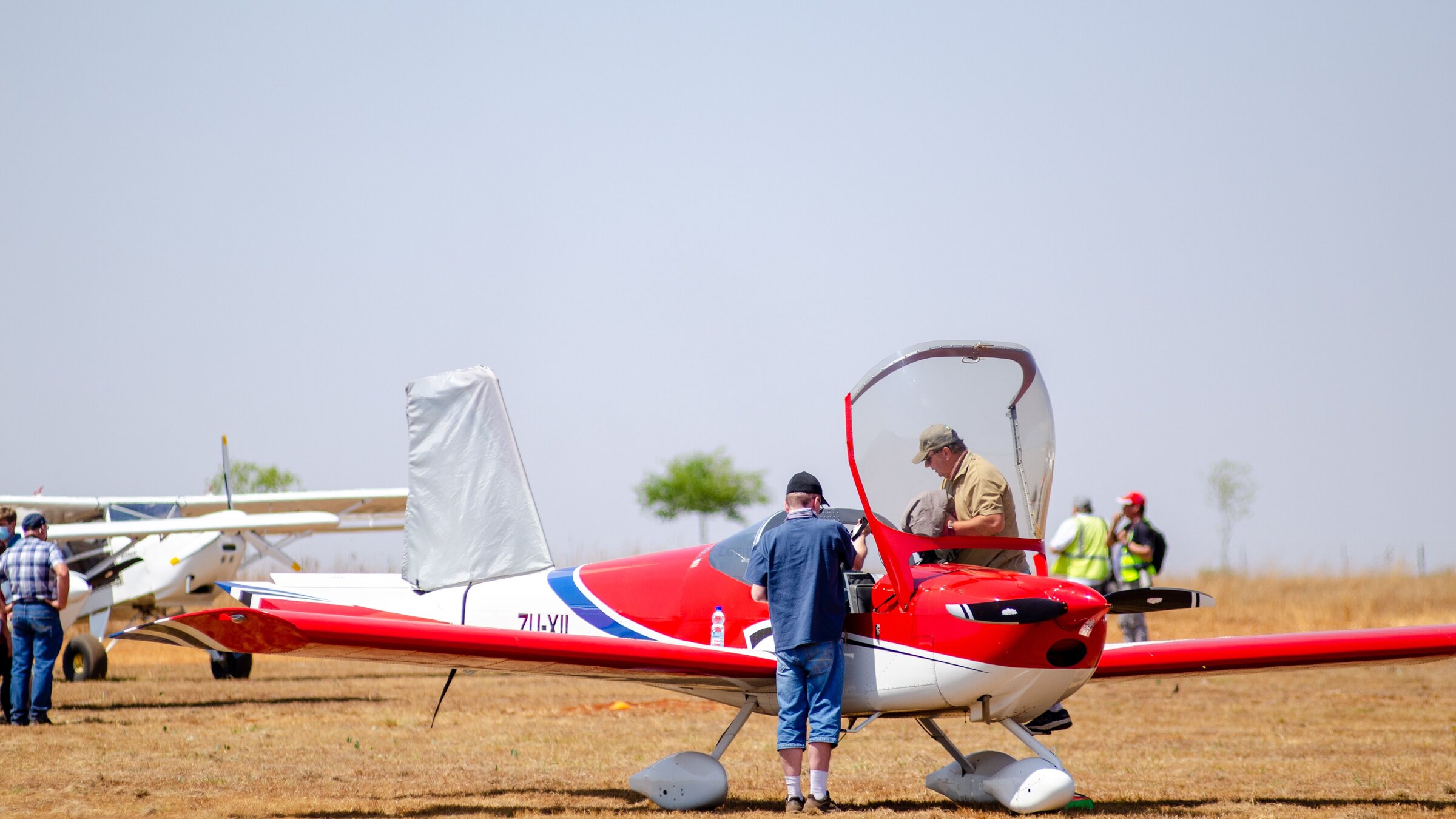
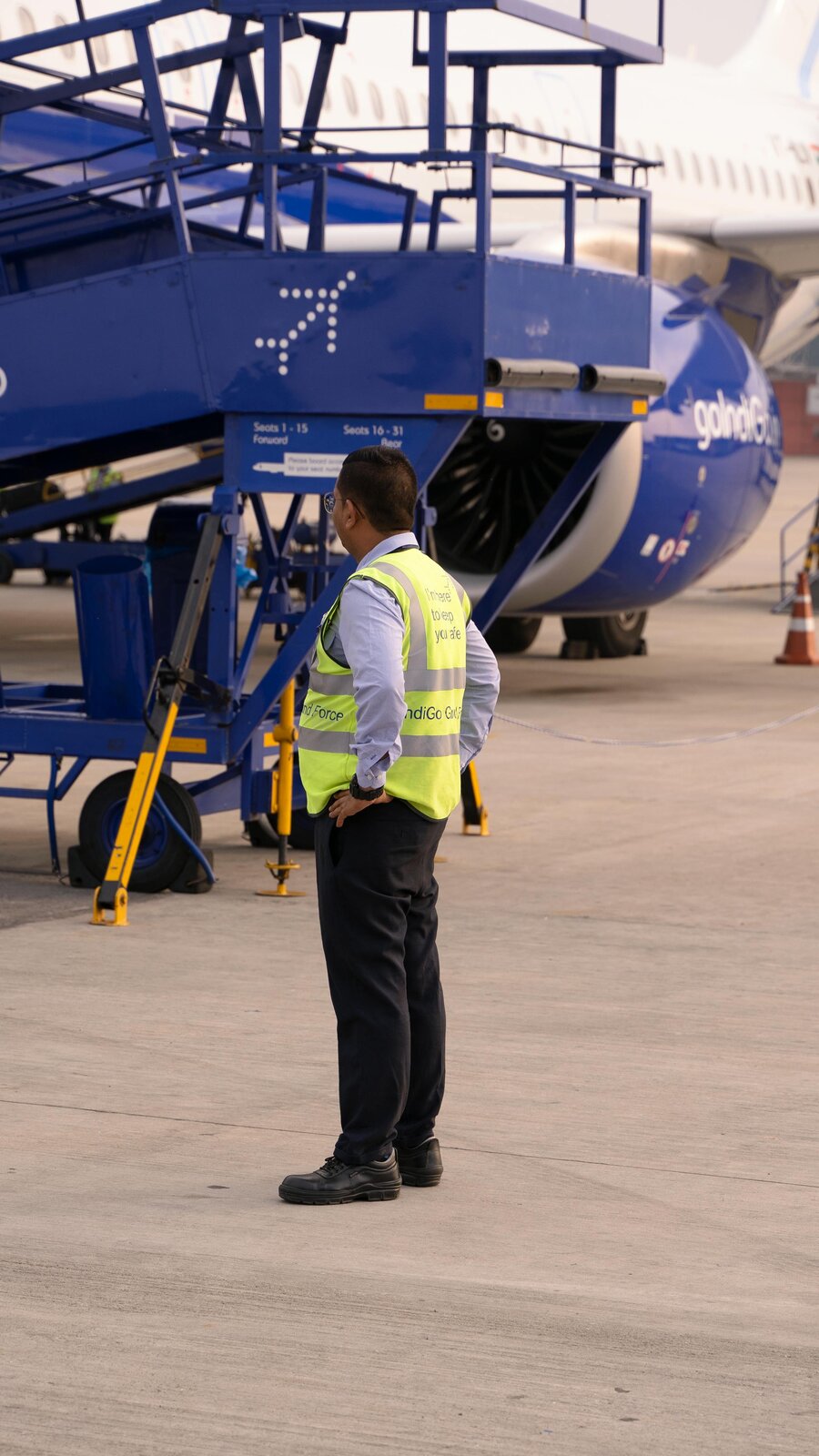
Operational Sustainability
Maintaining safe, efficient, and reliable aviation operations over time through strong systems, continuous training, reliable maintenance, and regulatory compliance.
- Safety Management Systems (SMS)
- Continuous training and development
- Reliable maintenance systems
- Regulatory compliance
Technological Sustainability
Adapting to innovation responsibly — ensuring technology continues to advance aviation safety, efficiency, and capability without compromising human oversight.
- Artificial Intelligence in aviation
- Digital flight planning
- Predictive aircraft maintenance
- Electric aircraft development
Institutional Sustainability
Leadership, governance, systems, and organisational stability. Strong cultures and leadership structures create resilience during crises and industry changes.
- Strong leadership and governance
- Legal compliance and ethical operations
- Strategic partnerships
- Organisational resilience

"People are the foundation of aviation. Aircraft, technology, and systems are only as effective as the people behind them."
At AviMentis, we focus primarily on human and social sustainability. When environmental, economic, operational, technological, institutional, and human sustainability work together in harmony, safer and truly sustainable aviation naturally follows.
Our Approach
Long-term impact through integrated sustainability.
AviMentis ensures long-term organizational impact through a comprehensive sustainability model that combines learning ecosystems, industry services, aviation value chain development, partnerships, and resource mobilization.
Learning Ecosystems
Generating lasting professional capability across the aviation sector.
Industry Services
Aligned strictly with aviation workforce development needs.
Value Chain Development
Supporting the professional lifecycle from recruitment to retirement.
Strategic Partnerships
With aviation, education, and community stakeholders globally.
Resource Mobilisation
Supporting sustainable, long-term program delivery.
Community Engagement
Programs intrinsically linked to national and global safety goals.

Build a sustainable aviation workforce
Through our human performance assessments, organizational surveys, and fatigue monitoring tools.
Yes, our tools are built alongside ICAO frameworks and human factors best practices.
Absolutely. AviMentis provides the human intelligence layer to your existing safety management system.